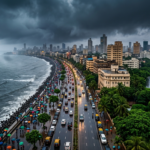

In the last article, “Monsoon 2026: The Rains Are Here… But Is Your Health Ready?“, we discussed about arrival of the monsoon. now let us discuss further monsoon related illness. The rain itself does not make us sick. Instead, it changes the environment in ways that allow disease-causing organisms to thrive.
During the monsoon, stagnant water becomes an ideal breeding ground for mosquitoes, increasing the risk of diseases such as dengue, malaria and chikungunya.¹ At the same time, heavy rainfall can contaminate drinking water with bacteria, viruses and parasites, leading to illnesses such as typhoid, gastroenteritis and hepatitis A.²
The high humidity associated with the rainy season also encourages the growth of fungi, making skin infections more common. Wet clothes, damp footwear and prolonged exposure to moisture further increase this risk.³
In short, the monsoon creates the perfect conditions for the spread of several infectious diseases. Fortunately, many of these illnesses can be prevented through simple precautions and early recognition of symptoms.
Common Monsoon Diseases You Should Know About
1. Viral Fever
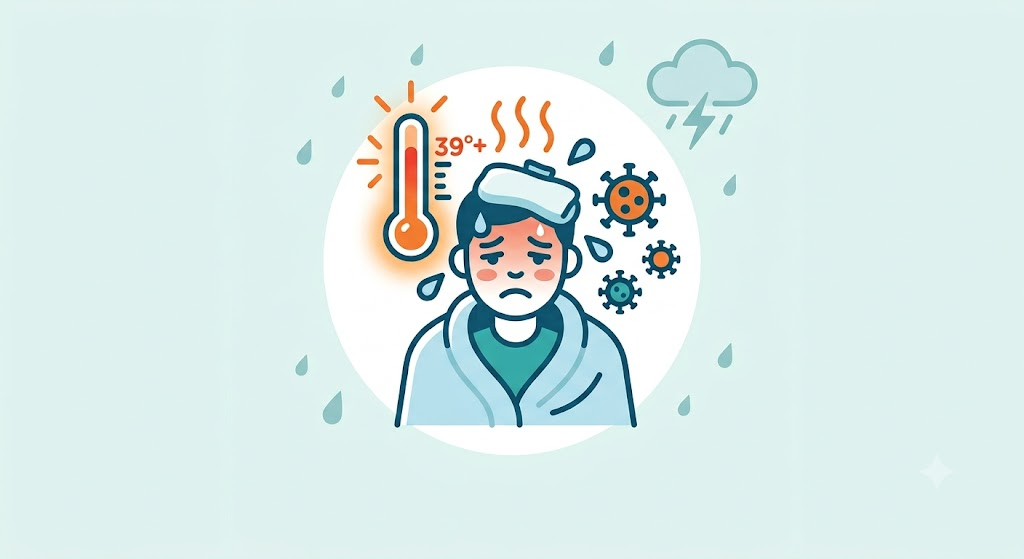
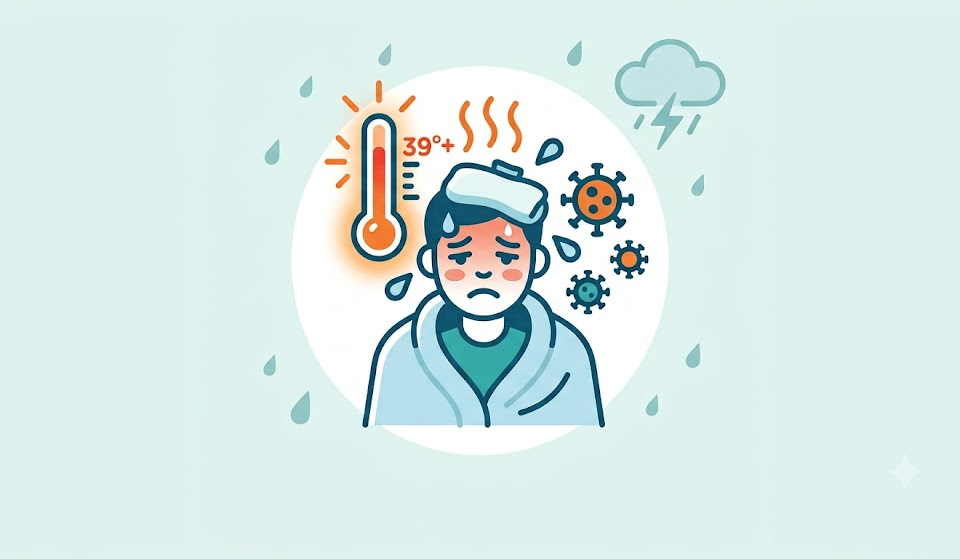
Viral fever is one of the most common illnesses seen during the rainy season. Many different viruses circulate during this time, leading to fever, body aches, headache, sore throat and fatigue. Most viral infections are self-limiting and improve with adequate rest, hydration and symptomatic treatment. However, persistent high fever should never be ignored because it may indicate dengue, malaria or another serious infection.⁴
2. Dengue
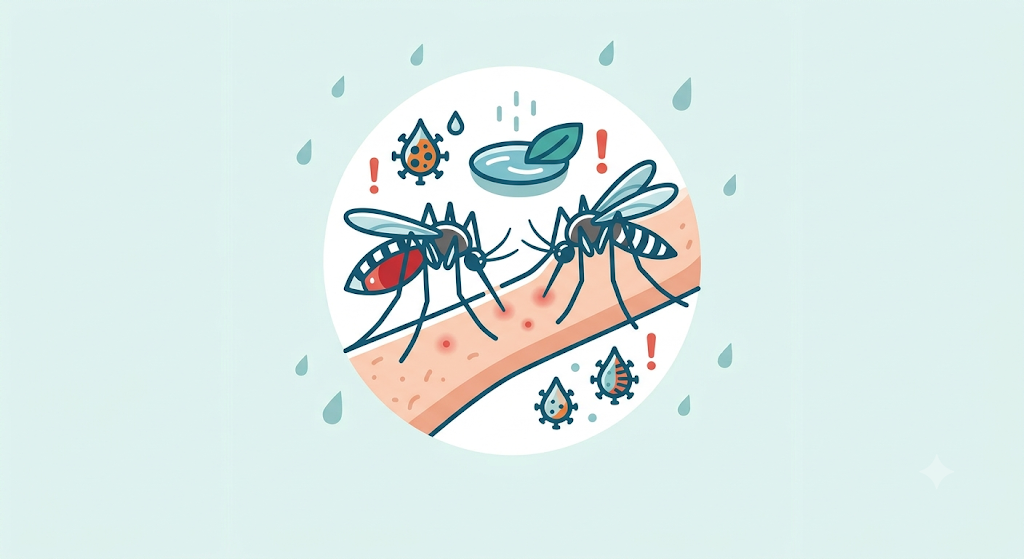
Dengue is a viral fever, transmitted by the Aedes mosquito, which breeds in clean, stagnant water collected in coolers, flower pots, discarded tyres and water containers.⁵
Common symptoms include:
- High fever
- Severe body and joint pain
- Headache
- Pain behind the eyes
- Skin rash
- Nausea or vomiting
Most patients recover well, but severe dengue can lead to bleeding, shock and organ damage. Early medical evaluation is essential, especially if warning signs such as persistent vomiting, abdominal pain or bleeding develop.⁵
3. Malaria
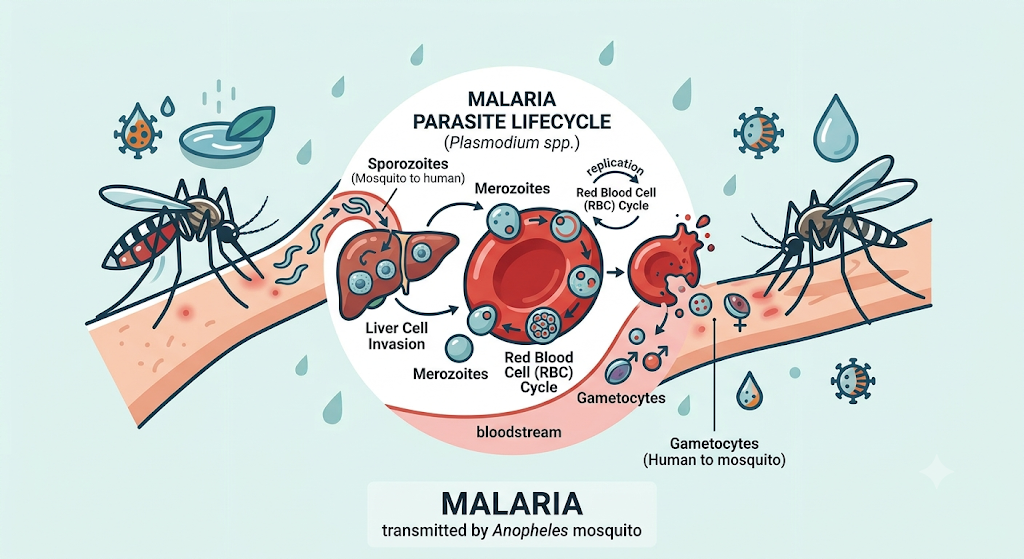
Unlike dengue, malaria is caused by Plasmodium parasites and is spread by infected Anopheles mosquitoes.⁶
Typical symptoms include:
- Fever with chills
- Sweating
- Headache
- Weakness
- Body aches
Diagnosis requires a blood test, and prompt treatment is important to prevent complications.
4. Chikungunya
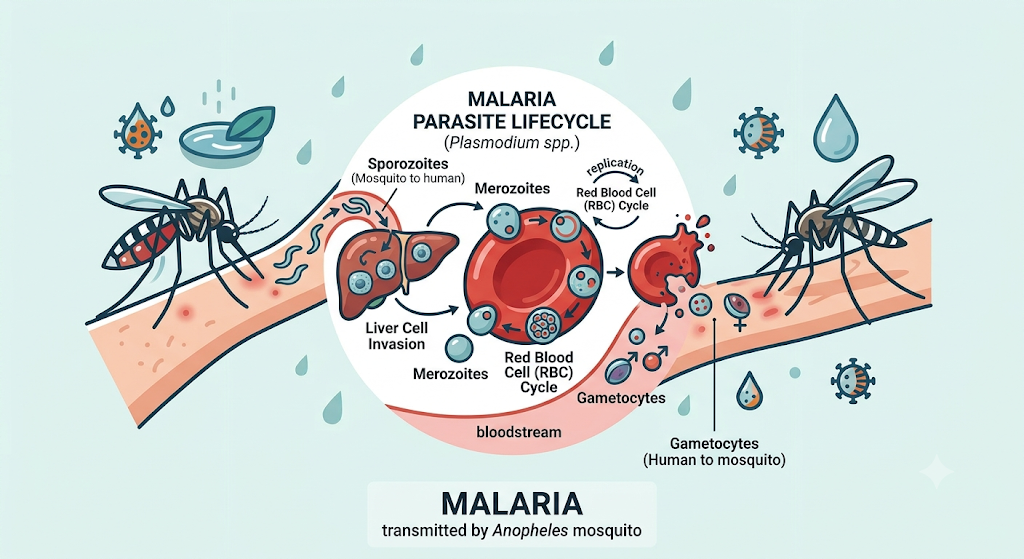
Chikungunya is another mosquito-borne viral disease commonly reported during the monsoon.
Although it rarely causes life-threatening complications, the joint pain can be severe and may persist for weeks or even months in some individuals. Fever, rash and fatigue are also common symptoms.⁷
Preventing mosquito bites remains the best form of protection.
5. Leptospirosis
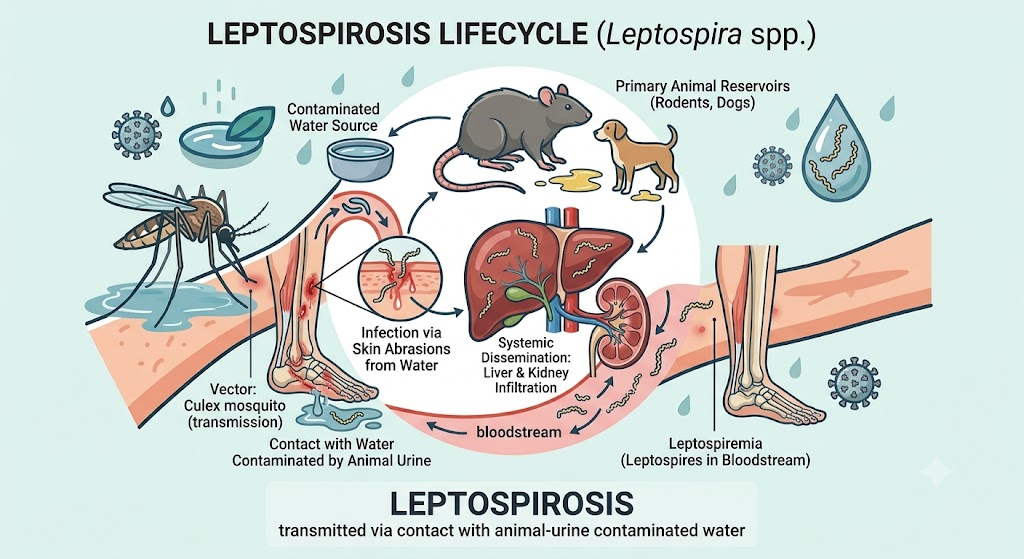
Leptospirosis deserves special attention, particularly in cities such as Mumbai and Thane.
This bacterial infection spreads through water contaminated with the urine of infected animals, especially rats. Walking through flooded streets with cuts or abrasions on the feet significantly increases the risk of infection.⁸
Early symptoms may resemble viral fever and include:
- Fever
- Muscle pain
- Headache
- Red eyes
If untreated, severe leptospirosis can affect the kidneys, liver, lungs and brain. Early diagnosis and antibiotics greatly improve outcomes.⁸
6. Acute Gastroenteritis and Food Poisoning
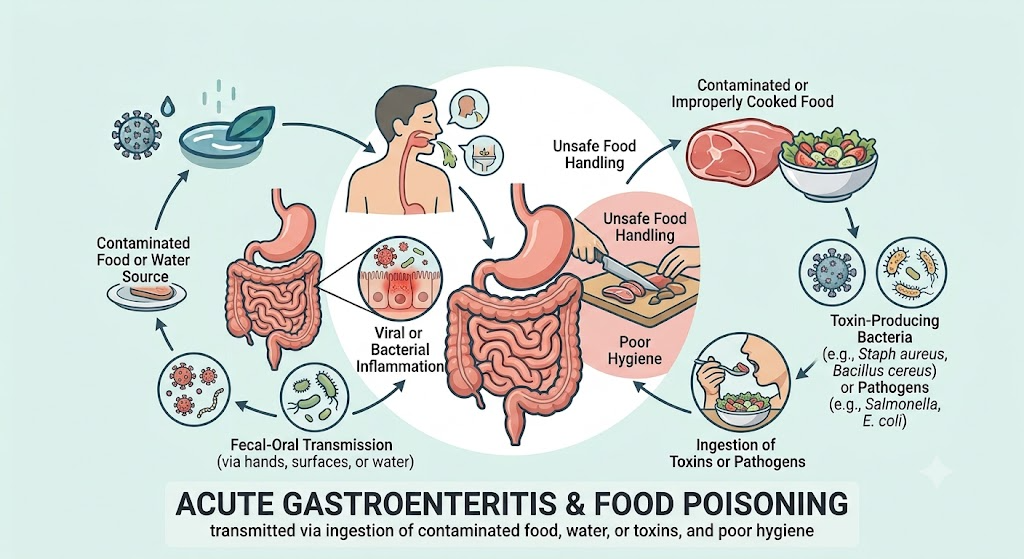
Monsoon rains can contaminate water supplies and increase bacterial growth in food.
Eating unhygienic street food, consuming contaminated water or storing food improperly may result in:
- Loose motions
- Vomiting
- Abdominal cramps
- Fever
- Dehydration²
Children and older adults are particularly vulnerable to dehydration and should receive prompt medical attention if symptoms become severe.
7. Typhoid Fever
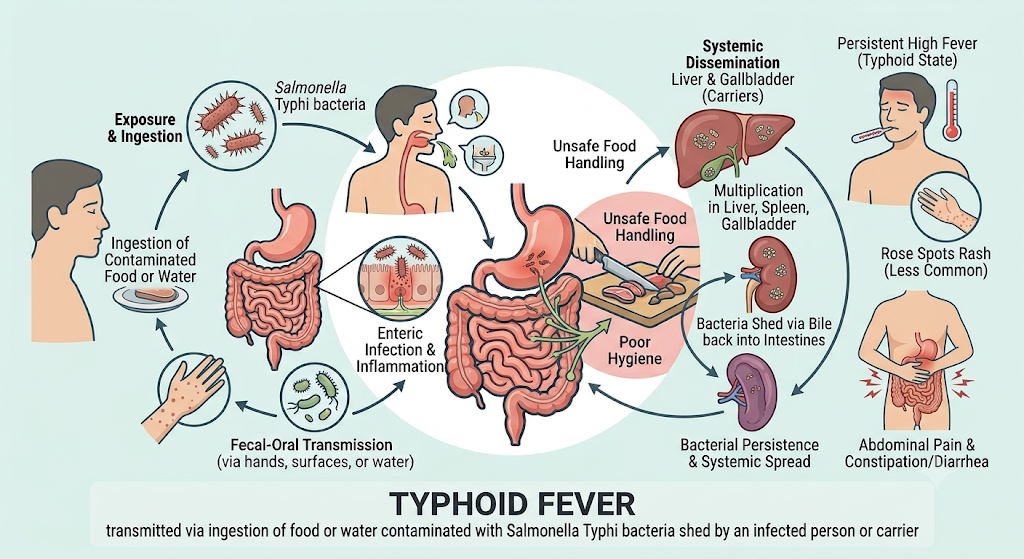
Typhoid is caused by a bacteria called Salmonella Typhi and spreads through contaminated food and water.²
Symptoms often include:
- Persistent fever
- Headache
- Weakness
- Abdominal discomfort
- Constipation or diarrhoea
Safe drinking water, proper hand hygiene and eating freshly prepared food remain the best preventive measures.
8. Fungal Skin Infections
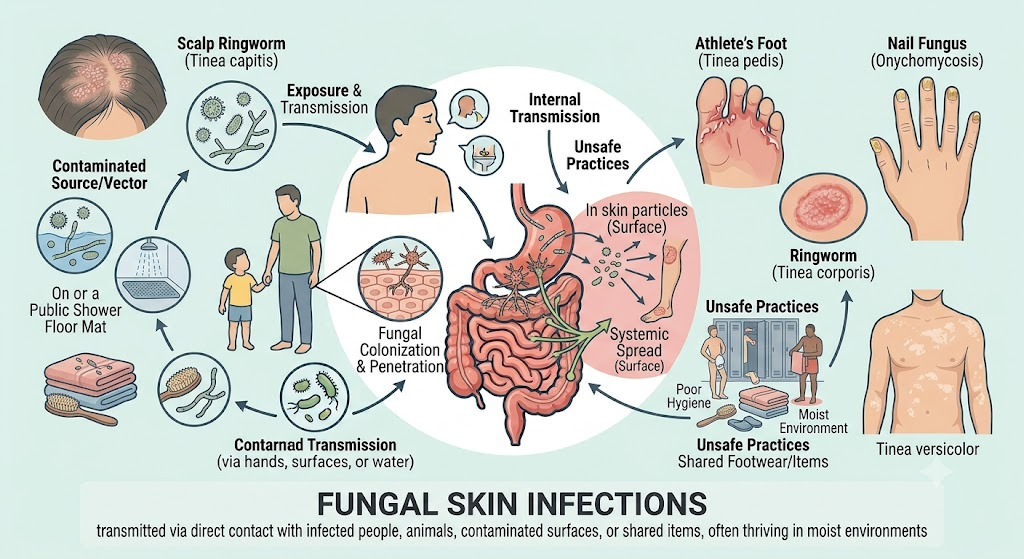
Warm temperatures and high humidity allow fungi to grow rapidly.
Common fungal infections affect the feet, groin, underarms and skin folds, causing itching, redness and circular rashes.³
Keeping the skin dry, changing wet clothes promptly and wearing breathable footwear can help reduce the risk.
9. Conjunctivitis
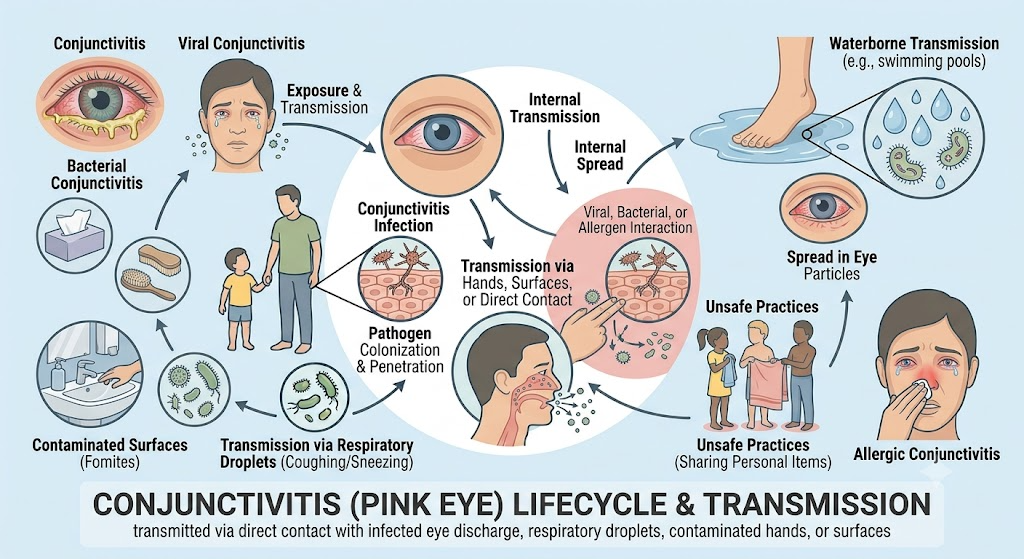
Conjunctivitis, commonly called “pink eye,” is frequently seen during the rainy season.
It causes redness, watering, irritation and discharge from the eyes. Viral conjunctivitis spreads easily through direct contact, making good hand hygiene essential.⁹
Avoid sharing towels, eye cosmetics or handkerchiefs with others.
10. Respiratory Infections
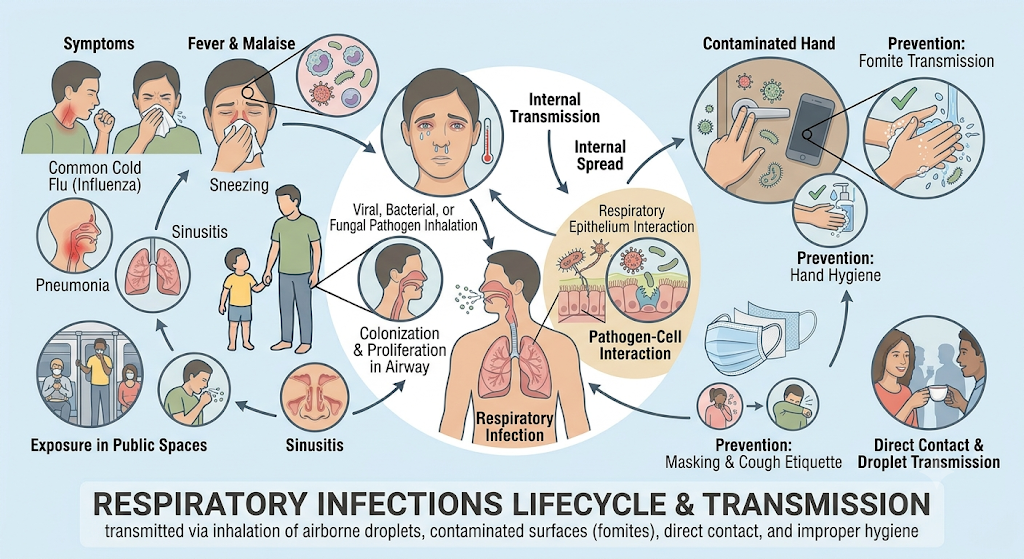
The monsoon also brings an increase in respiratory illnesses such as the common cold, influenza and throat infections.
Crowded indoor spaces, fluctuating temperatures and viral circulation contribute to the spread of these infections.¹⁰
Most cases improve with supportive care, but persistent breathlessness, chest pain or high fever should prompt medical evaluation.
Who Needs Extra Care During the Monsoon?
While everyone should take precautions, certain groups are at greater risk of developing serious complications.
These include:
- Young children
- Older adults
- Pregnant women
- People with diabetes
- Individuals with heart or lung diseases
- Patients receiving chemotherapy or immunosuppressive medications
For these individuals, even a seemingly simple fever can become serious if left untreated. Seeking medical advice early is always the safer option.
In next article we will discuss about preventive measures and what all things we should be keeping in mind during monsoon in details.
References
- World Health Organization. Vector-borne diseases.
- World Health Organization. Food safety and waterborne diseases.
- Centers for Disease Control and Prevention. Fungal Diseases.
- Ministry of Health & Family Welfare, Government of India. Seasonal Viral Infections.
- National Centre for Vector Borne Disease Control (NCVBDC). Dengue Guidelines.
- World Health Organization. Malaria Fact Sheet.
- World Health Organization. Chikungunya.
- World Health Organization. Leptospirosis Fact Sheet.
- American Academy of Ophthalmology. Conjunctivitis (Pink Eye).
- Centers for Disease Control and Prevention. Respiratory Viral Diseases.