

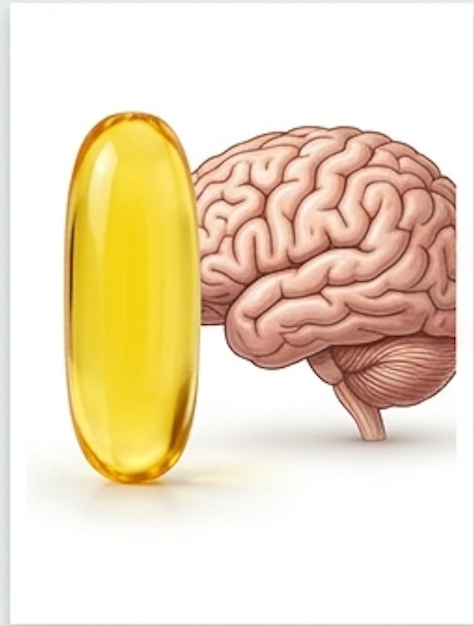
For many years, omega-3 supplements have been promoted as a simple way to improve brain health and reduce the risk of memory loss. Many people take fish oil capsules daily hoping to protect themselves from conditions like Alzheimer’s disease.
But a recent study from the University of Southern California (USC) suggests that the story may not be so simple.
Why Are Omega-3 Fatty Acids Important?
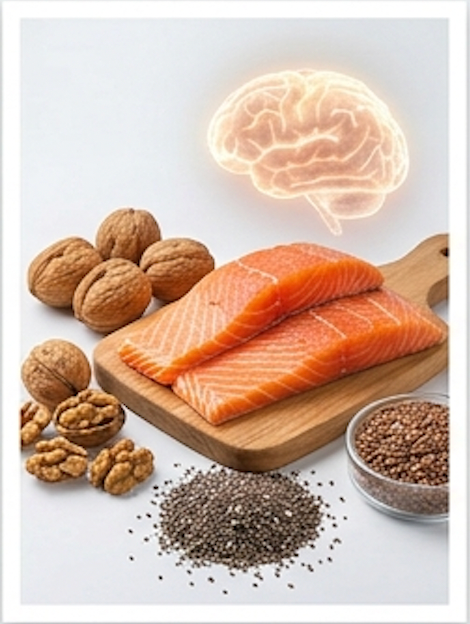
Omega-3 fatty acids are essential fats that our body cannot produce on its own. We must obtain them through food or supplements.
- Fatty fish such as salmon, sardines, and mackerel
- Flaxseeds
- Chia seeds
- Walnuts
- Canola oil
Some common sources of omega-3 include:
One of the most important omega-3 fatty acids for brain health is DHA (Docosahexaenoic Acid). DHA is a major structural component of the brain and plays an important role in maintaining healthy nerve cell connections.
Because of this, omega-3 supplements have long been marketed as “brain-boosting” supplements.
What Did the New Study Find?

Researchers led by Dr. Hussein Yassine, Director of the USC Center for Personalized Brain Health at the Keck School of Medicine, conducted a two-year clinical trial involving 365 adults aged 55 to 80 years who were at increased risk of developing Alzheimer’s disease.
Participants received either:
- A placebo, or
- 2,000 mg of DHA supplementation daily
The researchers then monitored cognitive performance, memory, and brain structure over a period of 24 months.
The results were surprising.
Although DHA from the supplements did reach the brain, participants taking omega-3 supplements showed no significant improvement in memory, cognitive function, or brain structure compared with those receiving placebo.
The study was published in eBioMedicine in June 2026.
Does This Mean Omega-3 Is Useless?

Not at all.
This study does not suggest that omega-3 fatty acids are harmful or unnecessary.
Instead, it suggests that simply taking high-dose omega-3 supplements may not be enough to prevent cognitive decline or Alzheimer’s disease in older adults who are already at risk.
In fact, decades of research have shown that omega-3 fatty acids remain important for:
- Brain development
- Eye health
- Heart health
- Normal cellular function
The question researchers are now asking is whether the problem lies not in the nutrient itself, but in how the aging brain absorbs and utilizes it.
Why Might Supplements Not Work?
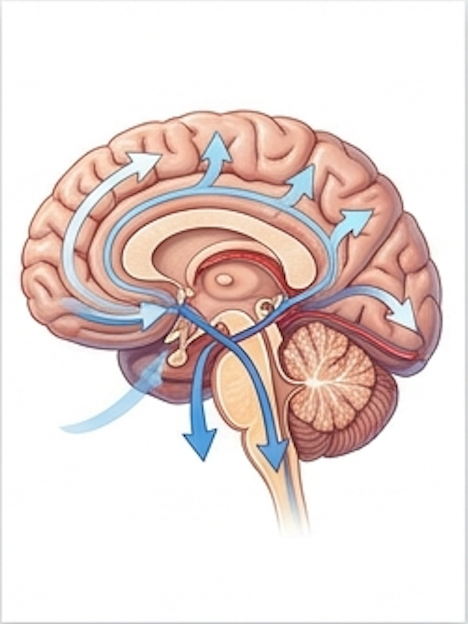
According to Dr. Hussein Yassine and his team, future research should focus less on increasing omega-3 intake and more on understanding how the brain processes DHA.
Factors that may influence DHA utilization include:
- Aging
- Genetics
- Poor dietary habits
- Metabolic health
- Existing brain disease
In other words, getting omega-3 into the bloodstream may not automatically mean the brain can effectively use it.
The Bigger Lesson: There Is No Magic Pill

Perhaps the most important message from this study is that there is no “silver bullet” for preventing Alzheimer’s disease.
Many of us hope that a single supplement can protect our brain as we age. Unfortunately, brain health appears to depend on a combination of lifestyle factors.
Dr. Yassine emphasizes that the strongest tools for maintaining brain health remain:
✅ Regular physical activity
✅ Good quality sleep
✅ A balanced and nutritious diet
✅ Control of blood pressure, diabetes, and obesity
✅ Staying mentally and socially active
He compares brain health to maintaining a car. Just as a car requires regular servicing, the brain requires consistent care throughout life.
What Should You Do?

If you enjoy foods naturally rich in omega-3 fatty acids, continue including them as part of a balanced diet.
However, if you are taking fish oil supplements solely to prevent Alzheimer’s disease, this new research suggests that the benefits may be more limited than previously believed.
Instead of searching for a miracle supplement, focus on the habits that have repeatedly been shown to support long-term brain health:
- Exercise regularly
- Sleep well
- Eat a healthy diet
- Manage chronic diseases
- Stay socially connected
- Keep learning new things
These lifestyle choices may provide far greater benefits than any capsule available on the shelf.
So.. to Conclude…

Science evolves continuously. What we believe today may be refined tomorrow as new evidence emerges.
The latest USC study reminds us that good health rarely comes from a single pill or supplement. The foundations of a healthy brain remain surprisingly simple: move your body, nourish yourself well, sleep adequately, and stay engaged with life.
Your brain’s future may depend more on your daily habits than on your supplement cabinet.
For such health related updates and content, please subscirbe to our website. Please share your valuable comments and show your love.
Please take good care of your health and keep spreading love and smiles! 🙂
References
- Yassine HN et al. eBioMedicine, 2026. University of Southern California Center for Personalized Brain Health.
- National Institute on Aging (NIA), United States.
- Hussein Yassine, MD, Keck School of Medicine, University of Southern California.
- World Health Organization (WHO). Risk reduction of cognitive decline and dementia guidelines.
- National Institute on Aging. Alzheimer’s Disease Prevention Research Updates.