
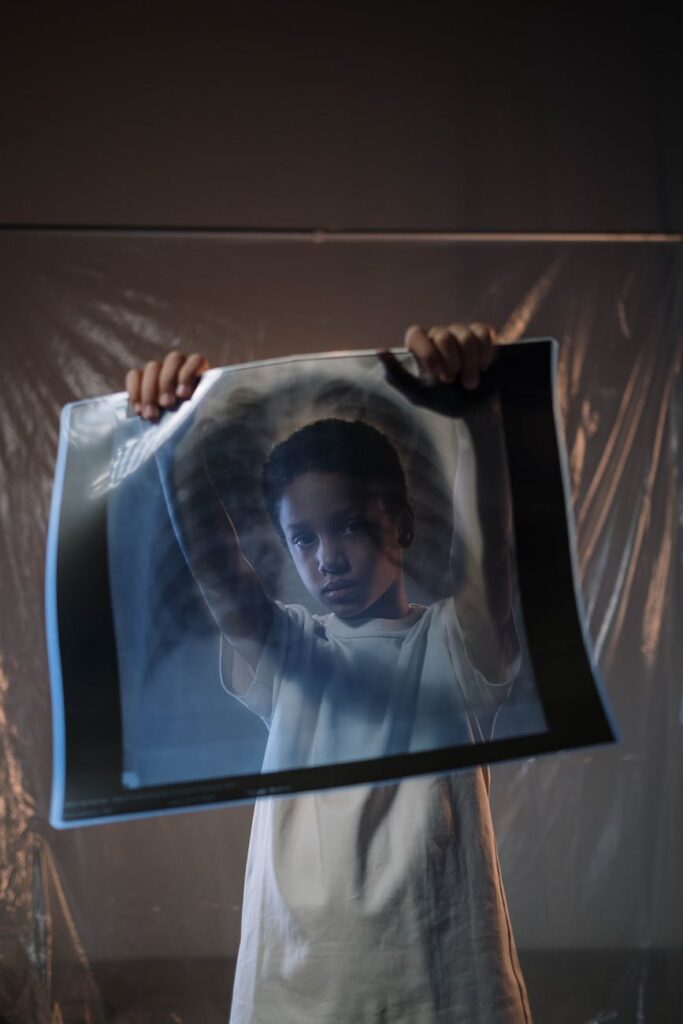
When we think of high blood pressure (hypertension), we usually imagine middle-aged or older adults. But shocking new reports show that children in India are increasingly being diagnosed with hypertension. A recent mass screening in Karnataka found that 7.2 lakh children between the ages of 6 weeks and 18 years were living with high blood pressure (Times of India, 2025).
This trend is alarming and highlights the urgent need for parents, schools, and healthcare providers to take childhood hypertension seriously.
Why is Childhood Hypertension Increasing?
Several lifestyle and environmental factors are contributing to this rise:
- Unhealthy Diets – Processed foods, high salt snacks, sugary drinks, and lack of fruits and vegetables.
- Sedentary Lifestyle – Increased screen time, less outdoor play, and reduced physical activity.
- Obesity – Overweight children are at higher risk of developing high blood pressure.
- Stress & Sleep Issues – Academic pressure and irregular sleep cycles also affect blood pressure.
According to the Indian Academy of Pediatrics, rising obesity and poor diet are strongly linked to early-onset hypertension in children.
Why Childhood Hypertension is Dangerous
High blood pressure in kids is not just a temporary issue. If left untreated, it can lead to serious long-term problems such as:
- Heart disease and stroke
- Kidney disease
- Vision problems
- Increased risk of diabetes
- Early onset of cardiovascular disease in adulthood
A study published in the Journal of Hypertension (2023) found that children with high blood pressure are 2–3 times more likely to become hypertensive adults, putting them at lifelong risk.
Warning Signs Parents Should Watch For
Most children with high blood pressure may not show symptoms. However, some warning signs include:
- Frequent headaches
- Dizziness
- Blurred vision
- Unexplained irritability
- Fatigue or poor concentration
If you notice these, it’s important to consult a pediatrician.
Healthy Lifestyle Roadmap for Children
The good news is that childhood hypertension is preventable in most cases. Here are simple but powerful steps every parent can take:
✅ Balanced Diet – Focus on fruits, vegetables, whole grains, nuts, and home-cooked meals. Limit processed snacks, fried food, and excess salt.
✅ Regular Exercise – Encourage at least 1 hour of outdoor play, sports, cycling, or yoga daily.
✅ Screen Time Control – Reduce long hours on mobile, TV, or video games.
✅ Adequate Sleep – Children should get 8–10 hours of quality sleep.
✅ Routine Health Checks – Regular blood pressure monitoring for children with obesity, family history of hypertension, or other risk factors.
So to conclude…
Waiting rooms outside ICUs teach us one lesson—health is priceless. If children today are developing high blood pressure, the long-term burden on families and society will be huge. As parents, teachers, and doctors, we need to create an environment where children eat right, play more, and live healthier lives.
Early awareness, timely checkups, and small lifestyle changes can go a long way in protecting the next generation from heart disease and other chronic conditions.