
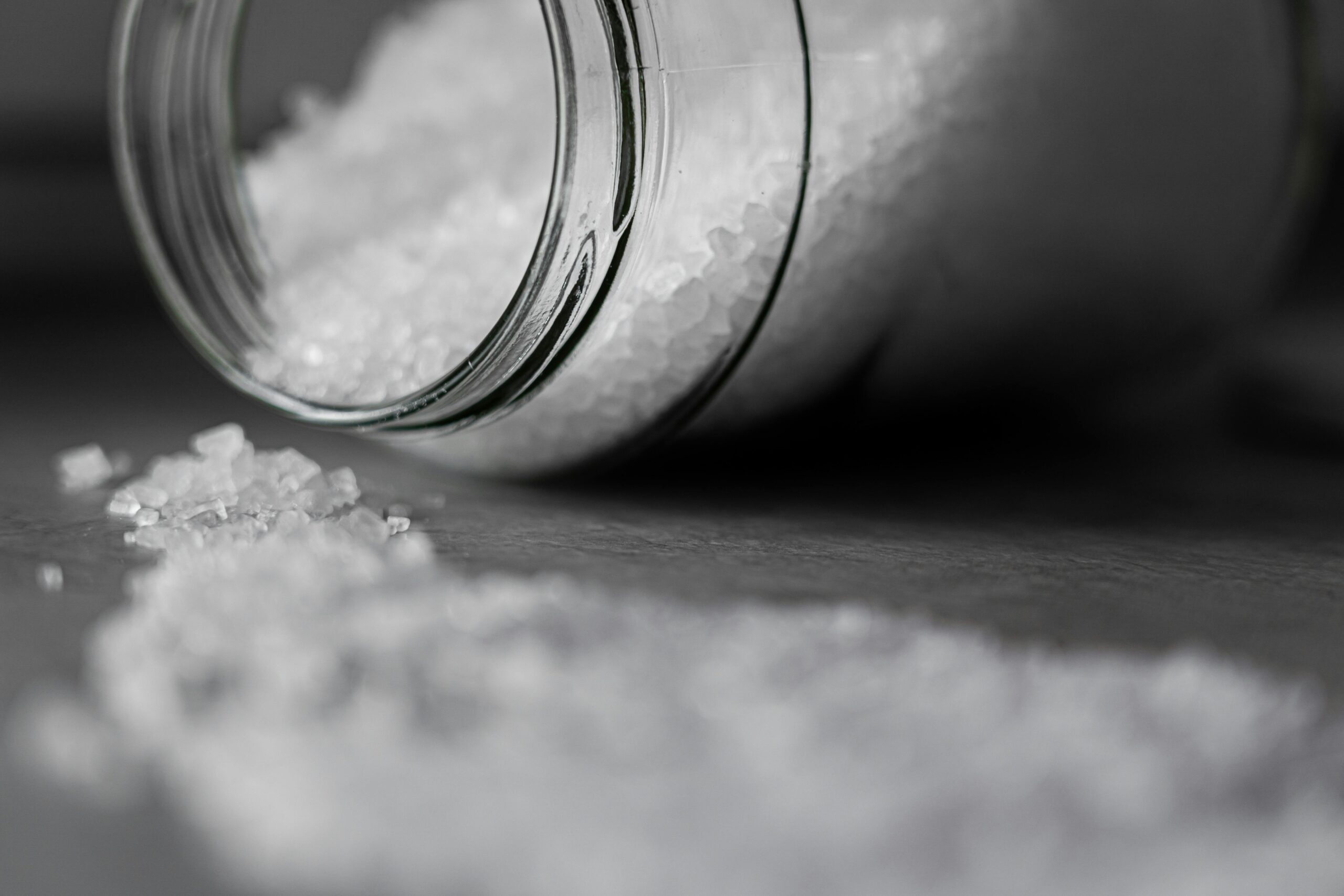
Sodium is one of the most important electrolytes in the human body. It plays a vital role in maintaining the balance of fluids, transmission of nerve signals, and movement of muscles.
Our body meticulously maintains the level of sodium in a fixed range. The sodium level in the blood is usually measured in millimoles per litre (mmol/L) or milliequivalents per litre (mEq/L). The normal range is 135–145 mmol/L. When the sodium level drops below this range, the condition is called hyponatraemia in medical terms.
Why Sodium Matters? What Sodium does in our body?
Sodium is essential for:
- Fluid balance – keeping the right amount of water inside and outside cells.
- Nerve function – transmitting signals between the brain and the body and from cell to cell.
- Muscle contraction – helping muscles move efficiently.
- Blood pressure regulation – maintaining healthy circulation.
Causes of Hyponatraemia
In certain conditions, the level of sodium in your blood goes down.
Excess water intake diluting sodium levels.
Medical conditions such as heart failure, kidney disease, or liver problems.
Hormonal imbalances, especially low levels of certain adrenal hormones.
Severe vomiting or diarrhoea leading to electrolyte loss.
Side effects of medicines such as diuretics or antidepressants.
Symptoms of low sodium level in blood
Mild hyponatraemia may not cause noticeable symptoms. As sodium levels drop further, you may experience:
- Headache
- Nausea and vomiting
- Confusion or irritability
- Muscle weakness or cramps
- Seizures (in severe cases)
- Fatigue and drowsiness
Diagnosis
Low sodium levels in blood can be detected by simple blood test after consultation with your doctor.
Technician at any local lab can collect the blood form the superficial vein and send it for analysis.
After reviewing the report and aftert thorough clinical examination your doctor can diagnose “hyponatraemia”. Most of the times it is one of the sign of underlying disease. Rarely it is a stand alone disorder.
Treatment
Treatment usually is directed at correction of underlying condition. As the underlying condition improves, sodium level also improves and so does the symptoms.
Tips to Prevent hyponatraemia
Drink water in moderation — avoid overhydration.
Maintain a balanced diet with adequate salt intake.
Manage underlying health conditions effectively.
Consult your doctor before taking diuretics or other medicines that affect sodium.
To summarise, Sodium is small but mighty — a key element that keeps our body functioning smoothly. Understanding the symptoms of low sodium and seeking medical advice early can prevent complications.