

Chest pain — just the mention of it makes most people think of a heart attack.
And while that’s often a valid concern, not every chest pain comes from the heart. Understanding the different causes, symptoms, and when to seek help can make a life-saving difference.
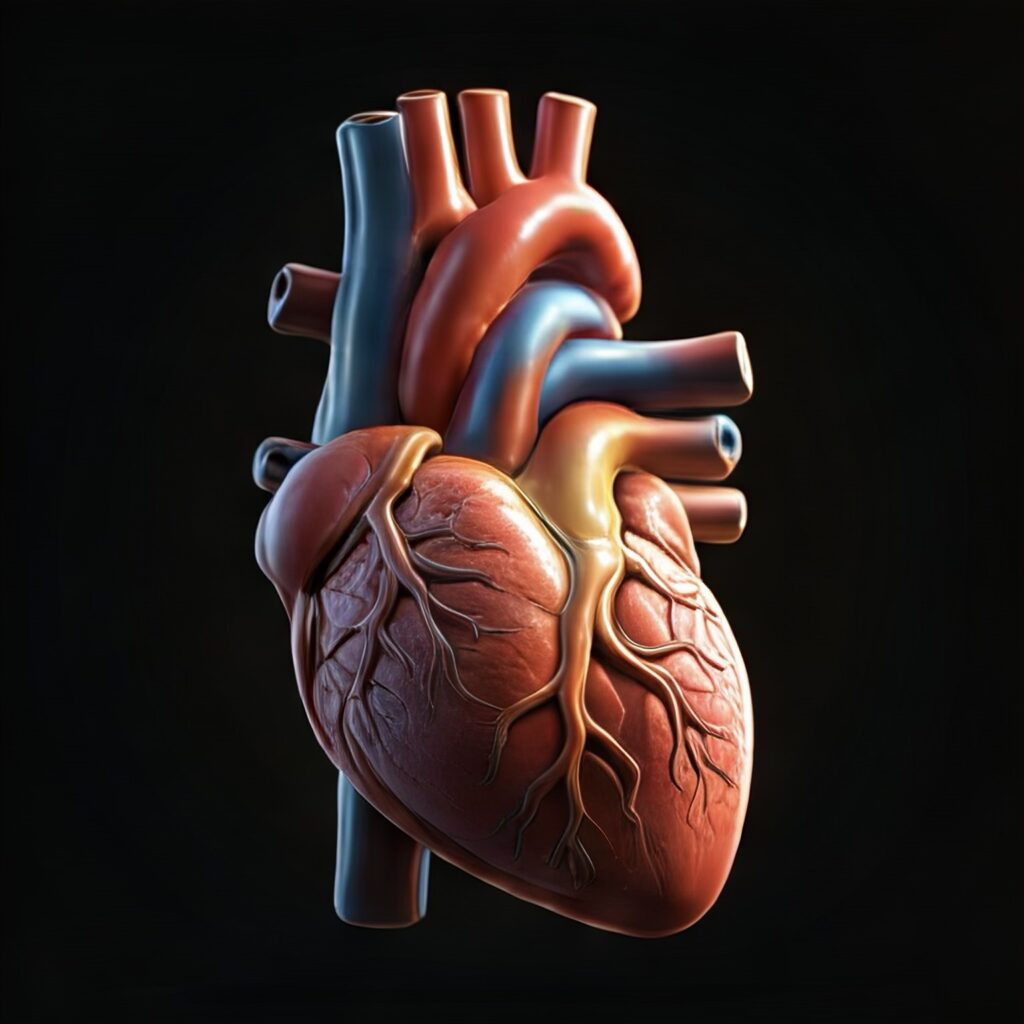
🫀 Heart-Related Causes (Cardiac Chest Pain)
Chest pain due to heart problems is called angina or cardiac pain.
Common causes include:
Coronary Artery Disease (CAD): Blockage or narrowing of arteries that supply blood to the heart. Heart Attack (Myocardial Infarction): Complete blockage of blood flow to part of the heart. Pericarditis: Inflammation of the outer covering of the heart.
⚠️ Symptoms that may indicate a cardiac cause:
Pressure, squeezing, or heaviness in the chest Pain radiating to the left arm, neck, jaw, or back Associated shortness of breath, sweating, nausea, or dizziness Pain lasting more than a few minutes or occurring at rest
If you experience these — seek emergency care immediately.
🫁 Other Causes of Chest Pain
Not all chest pain is heart-related. Some common non-cardiac causes include:
1. Gastric or Esophageal Causes
Acid reflux or GERD (burning sensation after meals or lying down) Esophageal spasm
2. Musculoskeletal Causes
Muscle strain from heavy work or coughing Costochondritis (inflammation of rib joints)
3. Lung Conditions
Pleurisy, pneumonia, or pulmonary embolism (sudden sharp pain with breathing difficulty)
4. Anxiety and Panic Attacks
Many people experience chest tightness and palpitations during anxiety or panic episodes. The pain is real — but caused by overactivation of stress hormones, not the heart.
🩺 When Should You Worry?
If chest pain is new, severe, or unexplained, always consult a doctor.
It’s better to get evaluated — through ECG, blood tests, or imaging — rather than ignoring a potential red flag.
💬 A Doctor’s Note
As physicians, we see people often delay medical attention thinking “it’s probably gas or stress.”
Sometimes, that delay costs lives.
Remember — chest pain is your body’s alarm bell. Listen to it.
🧠 Takeaway
Not all chest pain means a heart attack, but it should never be ignored. Lifestyle factors like smoking, stress, poor diet, and lack of exercise increase cardiac risk. Early detection and preventive care can save lives.